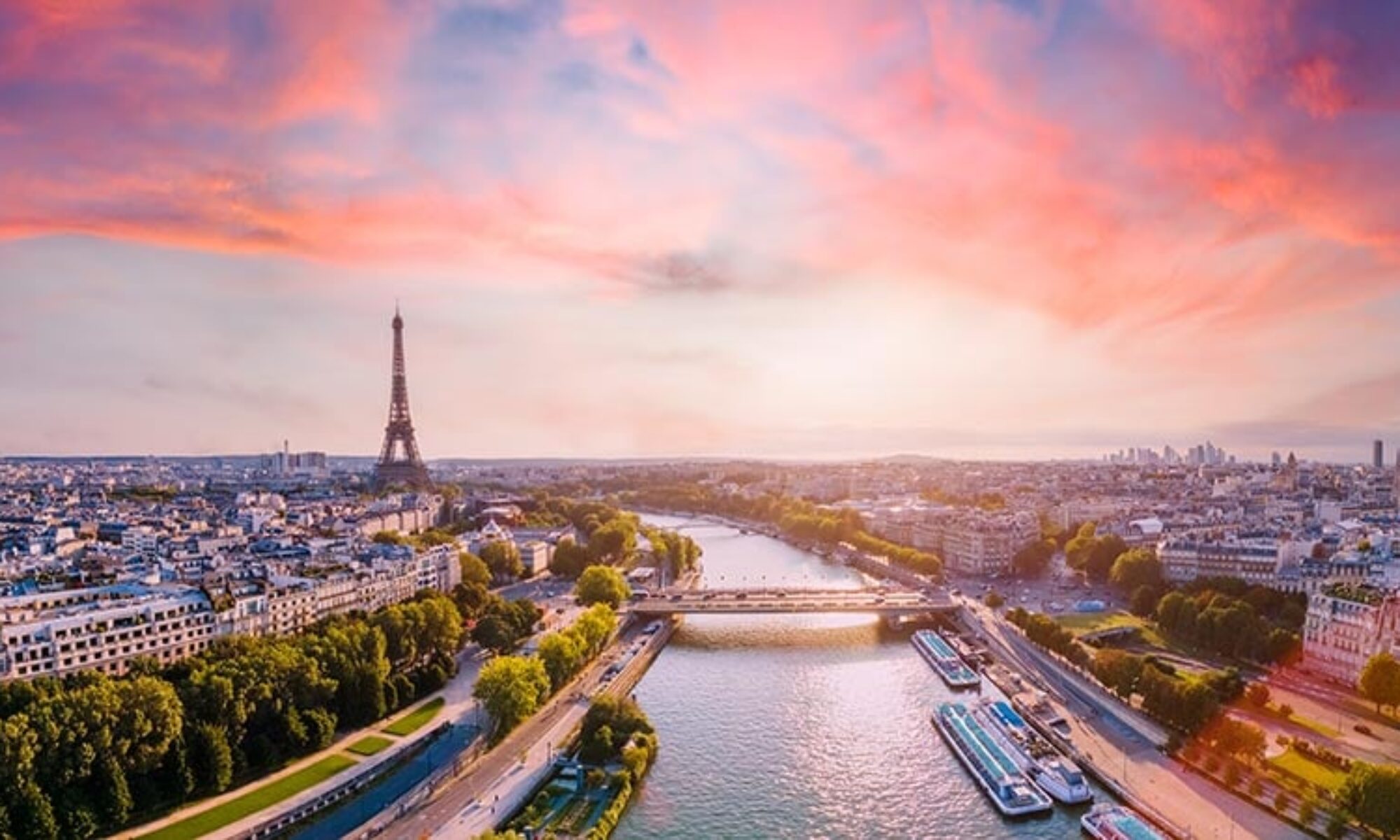
I know I already talked about parts of my Normandie trip in my last blog post about transportation, but I also wanted to discuss some of my other favorite parts of the trip.
First off, the absolute highlight of the weekend for me was our visit to Étretat. Specifically, I loved the hike along the cliffs with my family, getting to see beautiful views of the Channel on one side and farms of cows on the other side. The road trip to the city was also fun as we drove through the countryside and made a boulangerie pit-stop in Yvetot. The rest of the visit was kind of crazy, as Étretat is quite a small town and it was absolutely overrun by tourists on the holiday weekend, so it was nearly impossible to get out of town.
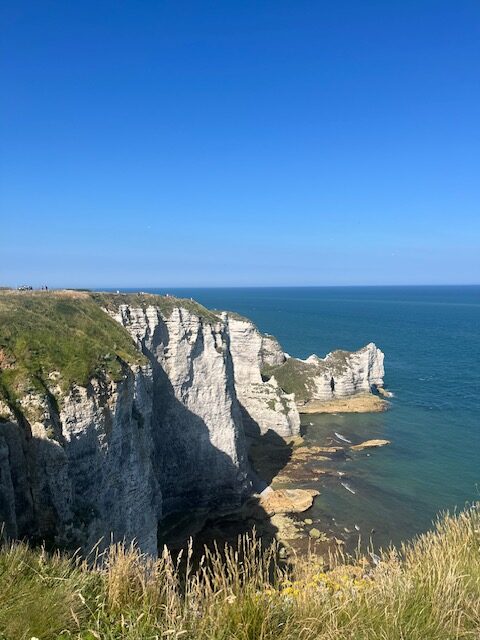
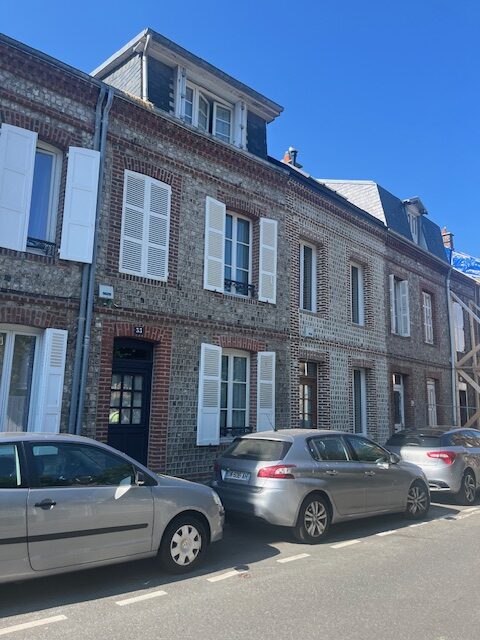
I also loved getting to see the changes in architecture and materials as our location changed. Being a beach town, Étretat had many buildings constructed of tabby and coquina, which I found to be really cool and a nice change after a couple weeks in Paris.
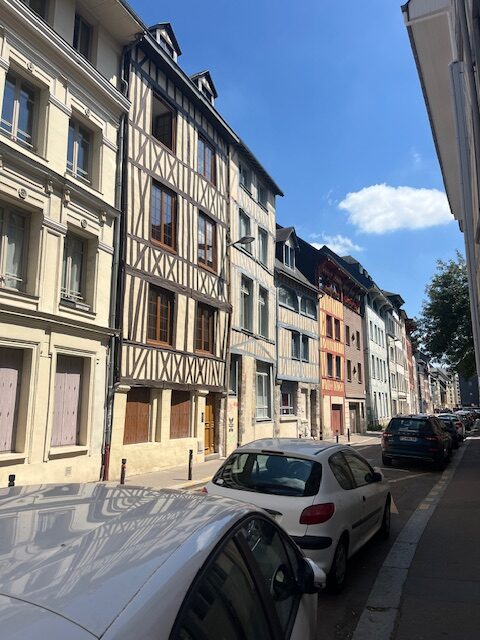
Similarly, Rouen seems to retain a large portion of its medieval layout, and features many half-timber buildings, as well as a substantial use of slate tiling. There are also many brick buildings compared to the prolific use of sandstone within Paris.
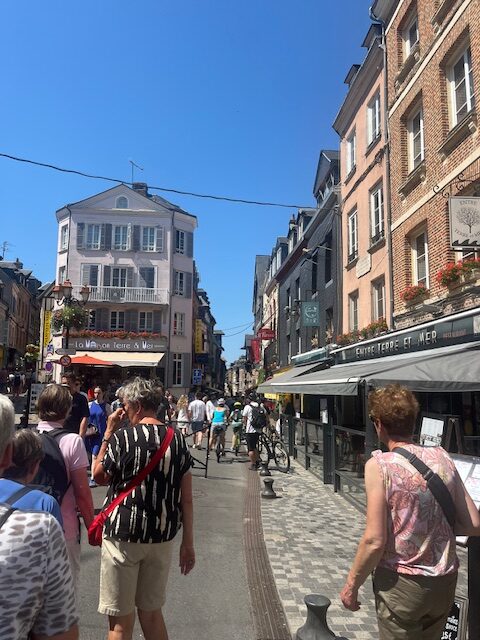
Honfleur was almost a combination of the styles within Étretat and Rouen. Its location along the Seine and close to the coast meant that there were some tabby buildings, however, there were also many brick and half-timber buildings, most of which were colorful and beachy-looking.
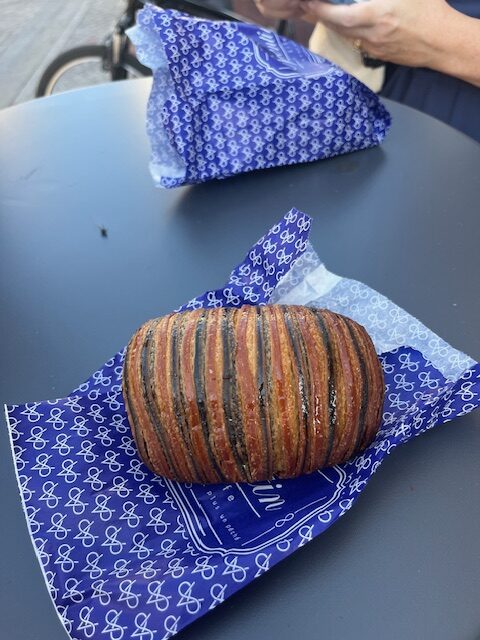
Aside from the fun architecture, I also had my favorite pain au chocolat of the trip (so far) from Valentin Boulangerie in Rouen. It was also probably the prettiest one so far.
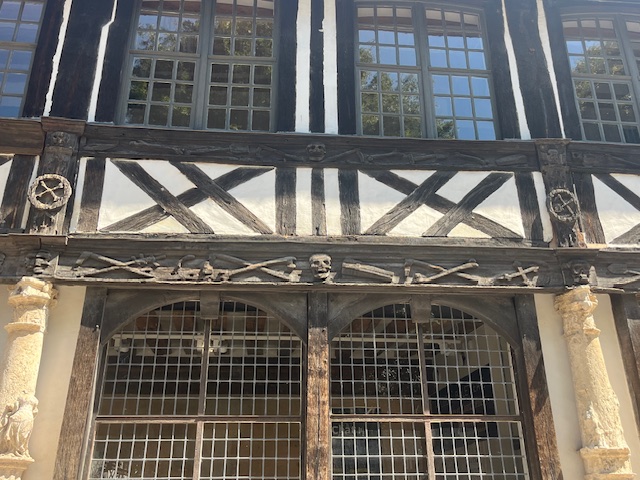
Rouen’s Notre Dame is beautiful and it was interesting to be able to compare the cathedral to Paris’. I also highly recommend visiting the Aître Saint Maclou, which has served many purposes throughout its long life, but retains skeletal carvings from its use as an ossuary during the Plague (which were super cool!). They also had a cute ceramics shop with an exhibit on the history of pottery.
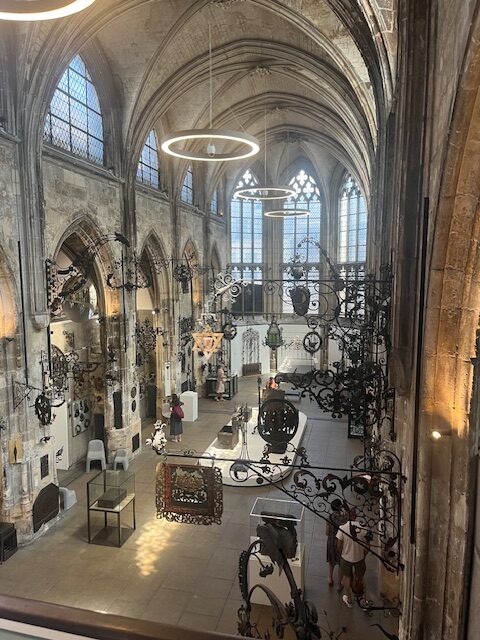
My favorite museum in Rouen was the Musée Le Secq des Tournelles, which is a museum dedicated to iron pieces. Most of the object labels were in French and there was little interpretation of the objects, but it was really cool to see all the different types of things made of iron and the artistry that went into making them. Also, the museum is located within a former church and was free to visit.
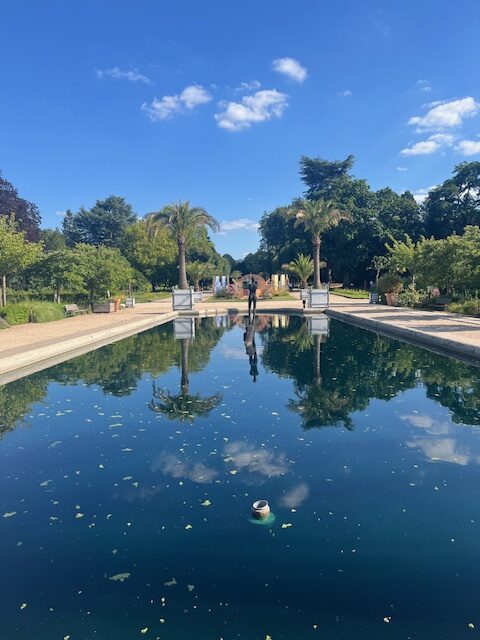
We also visited one of my favorite parks so far, the Jardin des Plantes in Rouen. As it is dedicated to plants, there are a lot more varieties of flowers and plantings throughout the garden than many of the ones we have visited in Paris. I also liked that it included a balance of formal garden space with heavily shaded, forest-like spaces, as well as playground and sports areas, all of which were being used while we were there but did not feel overcrowded like parts of Luxembourg or Tuileries.
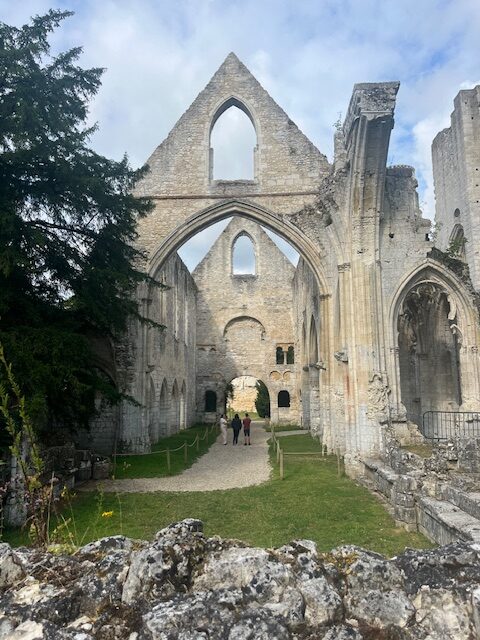
Our very last stop of the trip was the Abbaye de Jumièges, the ruins of a monastery outside of Rouen. Although the visit was not free, it was definitely worth the fee to see the sprawling ruins and gardens, and read the history of how the building was added on to and modified over time.
Sorry for the long post, but we packed a lot into our short trip and most of it was pretty fun. Despite the crowds of tourists, I really enjoyed my weekend visit to Normandie and would love to go back and see other towns in the future!
I find it fascinating that while Paris is very old, it is still a sprawling city, one that has had a plethora of changes over 100 years. In contrast to this, some of the areas outside of France have such a unique character to them, which is preserved and expresses this regional dialogue between the areas in France. I even felt this way just taking the train to the Versailles palace, the surrounding city felt quite different from further into Paris. I also find Normandy interesting because so many far east coast cities in the US feel similar to the rocky beaches and landscapes. I always appreciate connections with history and trajectories of settlement layouts.